

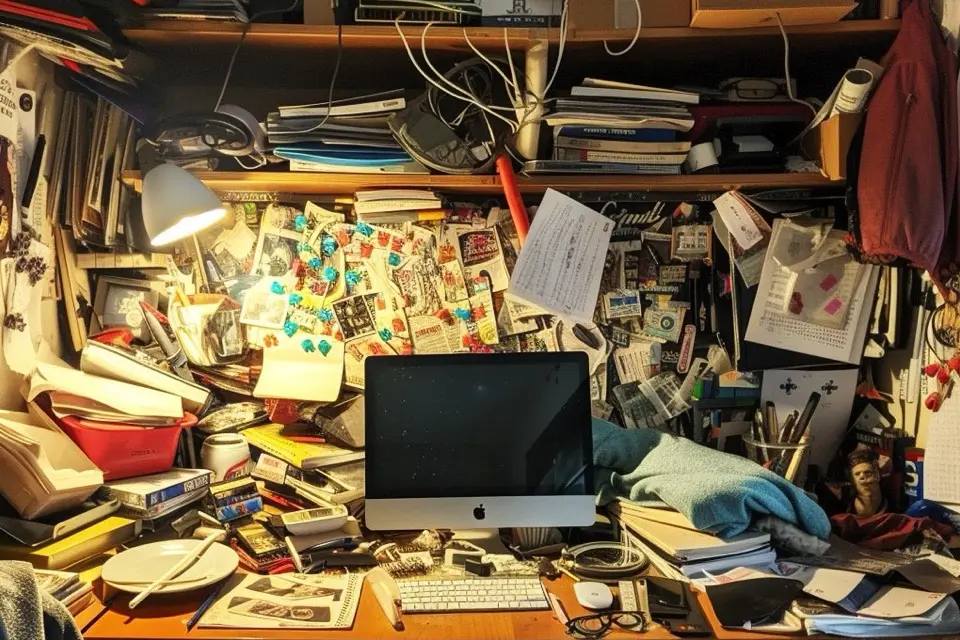
Declutter Checklists for Every Room
A cluttered or chaotic home can lead to stress and poor focus, while a peaceful and organized space promotes calmness and a sense of control. Creating a comfortable and manageable living space just makes sense.
Clutter vs. Disorganization: What’s the Difference?
Clutter is having excess items, such as owning eight spatulas or a closet full of clothes you never wear. Disorganization, in contrast, means you can’t find what you’re looking for. Often, adding organizational tools like shelves, baskets, and boxes can help transform chaos into order and even create more space. Identify where your biggest messes are—kitchen, bathroom, or living room—and use containers suited for those areas to help organize your home.
Clutter doesn’t appear overnight; it builds up gradually. Sometimes it’s so gradual that you don’t even realize how much you’ve accumulated until you feel overwhelmed. By understanding what clutter is and how it differs from disorganization, you can start to address it more effectively. Remember, just like exercising, decluttering isn’t a one-time task. It’s a habit that needs to be established and maintained over time.
The Impact of Clutter on Growth and Vitality
Clutter can be one of the most significant obstacles in your home, holding you back and preventing growth. This growth isn’t just about physical space; it extends to every aspect of your life, including your personal development, career, relationships, and finances. Think of yourself like a plant from the nursery—one that thrives when it’s repotted into a larger container. If you remain confined by too much stuff, you may find your opportunities dwindling, your relationships struggling, your health declining, and your finances feeling more restricted.
Beyond the visual mess, clutter drains your home of positive energy. It can sap your vitality, dampen your mood, and leave you feeling stuck in place. Decluttering, on the other hand, clears these blockages, allowing energy to flow freely to you and into the things you enjoy most.
Understanding Energy in Your Home
All life is energy, and for life to thrive, it needs growth, evolution, and movement. Without these elements, your energy becomes stunted, much like a dim light bulb that can’t shine brightly. When your home is overfilled—especially with outdated, unused, or unloved items—your own energy and well-being suffer as well.
Clutter Versus Clear Space: A Comparison
| With clutter you have… | With clear space you have… |
| low vitality, lethargy | improved energy and interest in life |
| bad luck | happy surprises, good fortune |
| no opportunities or money | new opportunities, better finances |
| feeling stuck | life flowing smoothly, active, energized |
| melancholy, depression | improved energy and interest in life |
| pessimistic | optimistic, forward-thinking and positive |
| anger | happy mood, pleasant feelings |
A Thoughtful Approach to Decluttering
Decluttering your home isn’t always about ruthless purging. Sometimes, it helps to approach your possessions with a bit of healthy skepticism. Just as you would interrogate a trespasser found on your property, consider questioning the presence of each item in your household. This process helps you decide whether your belongings deserve a place in your life or should be removed to make room for what truly matters.
Questions to Evaluate Your Clutter
- What are you? If you find yourself unable to identify an object, it’s likely a candidate for removal. Many households are filled with mysterious odds and ends that serve no clear purpose.
- How did you get here? Consider whether you intentionally acquired the item or if it entered your life through other means, such as gifts, freebies, or inherited pieces. If you didn’t choose it, you may feel less inclined to keep it.
- What do you do? If an item doesn’t serve a meaningful function, let it go. Valuing versatility is key things that perform multiple roles earn their keep.
- When did I last use you? Items regularly used have clear utility, but those untouched for years may no longer belong.
- When will I use you again? If you can’t foresee a use in the near future, it may be time to say goodbye.
- Would I miss you (or even notice) if you were gone? If losing the item wouldn’t affect your life, it’s safe to part ways.
- Do you have a twin (or close cousin)? Duplicates and items that serve the same function compete for limited space, so keeping only one is generally best.
- Could I re-acquire you if necessary? Items that are easily and inexpensively replaced don’t need to be stored “just in case.”
- Can someone else make better use of you? Passing along seldom-used items to those who need them now is often more rewarding than holding onto them for a possible future use.
- Are you more trouble than you’re worth? Possessions that demand excessive time, money, or energy for upkeep may be more of a burden than a benefit.
- Do you belong to my fantasy self? If an item only supports a daydream or aspiration that doesn’t reflect your current life, consider letting it go to make space for reality.
- Are you valuable? If you rarely use an item but it has significant monetary value, selling it might be preferable to keeping it. Conversely, items with little value or use need not be retained.
- Would I rather have the space you take up? Every possession consumes valuable space. Decide if the item is worth the area it occupies or if you’d prefer the freedom of empty space.
- Can I return you? Consider returning impulse purchases if possible, especially if they remain unused or unopened. Many stores have generous return policies.
- Are you a stand-in for a memory? Remember, memories reside in your mind, not in physical objects. You can let go of items without losing the experiences they represent.
- Can you be digitized? Transforming music, movies, books, photos, and documents into digital formats can dramatically reduce the need for physical storage.
- Can you be miniaturized? If an item’s value is sentimental, consider whether a smaller piece could evoke the same memories, such as a quilt square or a single plate from a set.
- Did I forget I owned you? If an object has faded from your awareness, feel free to release it without regret; you’ll likely forget about it again once it’s gone.
- Do you belong to someone else? If the item is someone else’s—whether a household member or someone outside your home—return it or let them decide its fate.
- Do you make me smile? Even if an item fails other criteria, if it genuinely brings you joy—such as a keepsake from a special trip or a child’s artwork—it has earned a place in your home. If not, make room for something that does.
Building Good Habits
Many people tackle clutter in one big effort, which can be helpful and freeing. However, clutter often reappears because people get overwhelmed or lose motivation. The key to staying clutter-free is consistency—think of it as your “Vitamin C.”
Make Decluttering Part of Your Routine
- Schedule it: Set a regular time each day, such as 4:00 PM, and spend about fifteen minutes decluttering. Tasks like tossing old mail or clearing out the refrigerator can make a big difference. Short, consistent sessions are more effective than marathon cleanups.
- Combine with Other Activities: When putting away fresh towels, take a moment to discard old, worn-out ones. While your child gets ready for bed, use the time to sort through drawers for outgrown clothing. Making decluttering a part of everyday routines helps establish it as a habit.
- Stay Aware: Don’t load groceries into an already messy fridge. Quickly toss expired items and wipe shelves before restocking. Do the same in your pantry. If you pick up a pen that doesn’t work, throw it out instead of returning it to the holder. These small actions keep you present and engaged with your environment.
Be Present and Mindful
Being present means you’re aware of your surroundings. This mindfulness can help you stop losing things and keep your space tidy without much effort. As you become more present, you’ll find yourself crossing off tasks more easily, becoming less tolerant of things or people that drain your energy, and regaining initiative, motivation, and enthusiasm—the zest for living.
Having too much old, broken, or unnecessary stuff can rob you of your enthusiasm for life. By becoming aware of what you own and what you truly use, you can free your home, your mind, and your spirit, opening up space for new growth and energy.
Weekly Decluttering Goals
- Be more aware and present wherever you are. If you spot something outdated or unnecessary, like an old prescription bottle, throw it out.
- Straighten and organize before adding anything new. Clean the refrigerator or pantry before restocking groceries. The first time may take longer, but with each repetition, it gets easier and your space stays neat.
- Tackle the toughest clutter first. Start with the most overwhelming area to feel an instant boost of energy. Ask a friend for help if needed—sometimes, once you start clearing, you’ll feel so energized you won’t want to stop!
- Clear off counters and floors. To get positive energy moving in your home and your life, keep floors and surfaces free of unnecessary items.
Room By Room
Reclaiming Valuable Space
Ready to refresh your closet and reclaim valuable space? Use this checklist to identify and remove items that no longer serve you. Start with these categories for a quick and satisfying refresh:
- Orphaned Gloves and Mittens: At the beginning of the season, you may have had several pairs of matching gloves, but by the end, you might find yourself with only a few complete sets and several single, unmatched pieces. Before discarding these “orphans,” check the pockets of all your winter coats. There’s a chance you can reunite some pairs by doing a quick sweep.
- Worn Out Shoes: Take a critical look at your shoe collection. Remove any shoes that are too worn out to be comfortably or safely worn. If they can’t be repaired or donated, it’s time to toss them.
- Sheet Sets for Bed Sizes You No Longer Have: If you find yourself with sheet sets that no longer fit any bed in your home, it’s time to let them go. For example, if you’re keeping twin-sized sheets but haven’t had a twin bed in years, consider donating or discarding them—no matter how cute the patterns are.
- Ratty Towels: When you come across towels that are threadbare or have holes, don’t keep them in your linen closet. Instead, repurpose them for pet care or car washing, or simply remove them from your home altogether.
- Department Store Hangers: It’s time to upgrade your closet by removing those mismatched plastic and wire hangers you’ve collected from department stores. Replace them with a matching set of slim, velvet hangers for a more organized and streamlined look.
- Clothing Items That Are Past Their Prime: Be honest when evaluating your clothing. If an item is stained, torn, or ripped beyond repair, it’s time to let it go.
- Poorly Functioning Storage Products: Sometimes, storage products meant to help organize actually become part of the problem. If you have bins or drawers that are difficult to use, such as a set of drawers that are hard to open and encourage clutter, remove them from your closet and seek better solutions.
- Out of Style Items: Going through accessories like belts can be revealing. If you find items you haven’t worn in over a year or can’t remember the last time you used, it’s a sign to let them go.
- Old Purses: Use dust as your guide—if a purse or bag is coated in dust, it’s likely been unused for a long time. That’s a clear indicator that it’s time to part with it.
- Anything with a Price Tag: Items still sporting original price tags, whether purchased or gifted years ago, probably aren’t essential. Use this as a clue to declutter items that have never been used.
Get Rid of These Things First
- Broken items
- Outdated technology
- Unused furniture
- Old toys and games
- Magazines and paperwork you no longer need
Declutter Your Media Center
- Remove everything and clean thoroughly.
- Digitize DVDs and CDs; discard those you can let go.
- Store keepers alphabetically in binders or containers.
- Ensure all technology is functional and necessary.
- Organize miscellaneous items in baskets or bins.
Declutter Your Bookshelves and Cabinets
- Donate or discard books; organize those kept with decorative items.
- Remove unused toys and games missing pieces.
- Discard old magazines and paperwork, keeping only clippings sorted in a document wallet.
Get Rid of These Things First
- Broken or damaged cookware
- Old plastic food storage containers
- Expired food and spices
- Chipped dishes and cookware
- Unneeded or old cleaning supplies
- Dirty dish rags and sponges
- Scratched cutting boards
Declutter Your Cabinets
- Remove all dishware, glassware, and serving pieces.
- Group by frequency of use: daily, monthly, occasionally, never.
- Discard rarely or never-used items and duplicates.
- Rearrange for convenience: daily-use items at eye level, less-used items stored away.
- Store pots, pans, and appliances under countertops, considering proximity to appliances.
Declutter Your Pantry
- Remove all items and donate unwanted non-perishables.
- Discard perishable foods as needed.
- Organize what remains into categories (e.g., pasta, snacks, canned goods).
- Designate pantry zones and use containers or lazy susans for grouping.
Declutter Your Drawers
- Empty all drawers, including the junk drawer.
- Sort items into categories: cookware, utensils, baking accessories, food storage.
- Use drawer organizers for silverware and utensils near the stove.
- Assign deeper drawers for bulkier categories.
- Transform junk drawers by decluttering, categorizing, and organizing with trays or organizers.
Feeling overwhelmed by kitchen clutter? Start with these ten easy categories to free up space.
- Excess Coffee Mugs: Most kitchens have at least one overflowing cabinet of coffee mugs, even in homes where no one drinks coffee or tea. Keep your favorites (especially sentimental ones), but let go of random or giveaway mugs.
- Souvenir Cups: Souvenir cups often accumulate in cabinets but rarely get used. If they’re just collecting dust, it’s time to part with them.
- Ratty Potholders: Keep only the best three or four potholders that you actually use. Discard any that are stained, burned, or threadbare.
- Weird Spices: Check your spice drawer for items you never use or can’t remember buying. Toss anything past its prime or spices you know you’ll never use. Don’t forget to check expiration dates on the ones you do use.
- Unused Bakeware: If you own specialty bakeware, like a springform pan, that you’ve never used, consider passing it along to someone who will. Keep only what you use regularly.
- Florist Vases: Many of us collect more florist vases than we need. Keep your two favorites and let go of the rest to open up cabinet space.
- Unused Small Appliances: Small appliances can seem like a good idea, but if you rarely use them or dread cleaning them, it may be time to let them go. Accept what works for your lifestyle and reclaim that space.
- Unused Cleaners: Old cleaning products can linger under the sink for years. If you find cleaners you haven’t used in over a decade, it’s safe to toss them—especially if they moved with you from a previous home.
- Refillable Concession Containers: Refillable popcorn or drink containers from amusement parks tend to stick around long after their usefulness has passed. If you’re not likely to use them again, let them go.
- Things that are Coated in Dust: Anything in your kitchen that is covered in dust likely hasn’t been used in a long time. If it’s still in the original box, that’s an even stronger indicator it belongs in the declutter pile.
Bonus Tip
If you come across an item in your kitchen and you can’t even identify what it is, it’s a clear sign it should be tossed.
Get Rid of These Things First
- Stained or damaged clothing
- Broken hangers
- Torn, damaged, or unused pillows, blankets, and linens
- Outdated decor
- Old alarm clocks
- Paper clutter
- Books and magazines already read
Declutter Your Nightstands
- Remove and sort all items from the top and drawers.
- Keep only essentials on top, such as a lamp, current book, and chargers.
- Organize small items in trays or dividers within drawers.
Declutter Your Closet and Dresser
- Remove all clothing and sort by type.
- Assign each drawer a category (e.g., socks, T-shirts, pajamas).
- Group closet items by type, color, or season.
- Use longer sections for coats, jackets, and dresses.
- Store out-of-season clothes to free up space.
- Discard clothing and shoes that no longer fit.
Kids’ Rooms
Get Rid of These Things First
- Outgrown clothes and shoes
- Broken or damaged toys and games
- Used arts and crafts supplies
- Old books
- Unused furniture
- Outdated decor
Declutter Their Clothes
- Sort all clothing by type and store off-season clothes elsewhere.
- Label bins for clothes that are too big or out of season.
- Place frequently worn items within easy reach.
- Hang special or dressy clothes separately.
- Organize by color if outfit selection is a challenge.
- Hang accessories on hooks to prevent tangling.
Declutter Their Toys
- Gather all toys in a central spot and assess the collection.
- Group toys by category and check for duplicates.
- Encourage kids to help decide what to keep, toss, or donate.
- Store smaller toys in bins by category; larger toys on shelves or in closets.
- Use over-the-door organizers for art supplies to reduce clutter.
Get Rid of These Things First
- Old makeup and toiletries
- Stained or torn towels and washcloths
- Mildewed shower curtains
- Expired medication, sunscreen, and first aid supplies
- Broken hair dryers, curling irons, and straighteners
- Old hairbrushes and combs
- Broken or unnecessary hair accessories
Declutter Your Vanity
- Review cosmetics and skin care, discarding items per the 20/20 rule.
- Use rotating organizers for tabletop products.
- Organize vanity drawers with trays for smaller items.
- Store makeup brushes upright in decorative containers.
Declutter Your Towel Closet
- Remove damaged towels and sort the rest by category.
- Store beach towels separately and hand towels near washcloths.
- Use bins for small items if you have wire shelving.
Declutter Your Medicine Cabinet
- Dispose of expired or unnecessary medications following FDA guidelines.
- Group items by category: medicine, first aid, skincare, beauty, hair care.
- Place daily-use items at the front, and store less-needed items in containers.
- Use small apothecary jars for cotton swabs, safety pins, and hair clips.
Ready to make your home office a more productive space? Focus on these items you can easily remove:
Get Rid of These Things First
- Old paperwork
- Read mail
- Broken or unused office supplies
- Outdated decor and electronics
- Damaged furniture
- Knick-knacks and other clutter
Declutter Your Desk
- Empty desk drawers and discard unwanted items.
- Group items into categories: files, pens, chargers, etc.
- Use drawer organizers for small office supplies.
- Keep only daily essentials on your desktop, plus one or two decorative items.
Declutter Your File Storage
- Digitize important documents when possible.
- Store urgent paperwork on your desk in a letter organizer.
- Use organizers for small office supplies.
- File hard-copy documents in clearly labeled containers, grouped by category.
- Paper: After removing obvious trash, gather all random pieces of paper into a basket to sort through later. Paper decluttering is a separate project, so set these aside for a future focused session.Outdated Tech/Software:
- Unknown Cords/Cables: If you have cords or cables with unknown purposes, they are likely outdated and unusable. Don’t let fear of needing them one day prevent you from decluttering these items.
- Broken Equipment: Remove any broken electronics, such as old computers, printers, or fax machines, that are just taking up space.
- Broken Pens: Keep only pens that write smoothly and feel good in your hand. Toss any that are broken or don’t function well.
- Excess Office Supplies: If you have more office supplies than you could ever use, pare down your collection and donate the rest.
- Empty Ink Cartridges: Don’t throw empty ink cartridges in the trash. Gather them and take them to your local office supply store for recycling—you might even earn some cash in the process. Store them in your car until you’re able to drop them off.
- Old Books: Old tech manuals and school textbooks that are no longer relevant can be removed to free up space.
- Knick Knacks: Add personal touches to your home office, but be mindful not to overcrowd your workspace with unnecessary items.
- Items That Belong Elsewhere: Identify items in your office that don’t belong there and return them to their proper places throughout your home.
Paper Toss List
Tame your paper clutter by starting with these common offenders:
- Junk Mail: Start with the easiest item to declutter—junk mail. Ideally, set up a system to prevent junk mail from even entering your home, and discard it immediately upon arrival.
- Scrap Paper: Random notes and scraps of paper can quickly accumulate. Scan for anything still relevant, but most can be recycled right away. Minimize future paper clutter by finding alternative ways to manage notes and reminders.
- Past-Season Catalogs: Old store catalogs, especially those from years past, are unlikely to be useful. Remove these to free up space.
- Reference Materials from Old Jobs: Obsolete job-related papers, such as training manuals and marketing materials from previous positions, do not need to take up space in your office. Discard these reference materials.
- Bills/Statements That Can Be Accessed Online: If you can access financial statements and bills online, there’s no need to keep paper versions. Take time to switch your accounts to electronic statements to reduce incoming paper clutter.
- Most Receipts: Only keep receipts you truly need. Everyday receipts, such as for gas, fast food, or coffee, can usually be discarded. Consider opting out of receiving receipts when possible.
- Product Manuals: With most product manuals available online, consider letting go of the paper versions, especially for small household items. For larger appliances, service professionals can typically find the necessary information online, too.
- Business Cards: Instead of keeping a collection of business cards, use a digital system to organize and store contact information, and recycle the paper versions.
- Expired Coupons: Regularly cull expired coupons from your collection. Switch to digital coupons or set up a management system to prevent paper coupon clutter.
- Your Home Decorating Ideas File: Physical folders of home decorating inspiration are often replaced by digital alternatives like Pinterest. If you have an outdated ideas file, it’s time to let it go.
Get Rid of These Things First
- Old, damaged, or unused sporting equipment
- Stale or expired paint cans and chemicals
- Broken tools or equipment
- Cardboard boxes
- Damaged or outdated seasonal decor
- Paper clutter
- Leftover construction or renovation materials
- Worn-out garden tools
- Broken lawn equipment
- Old or expired cleaning products
- Unused or outdated car parts or accessories
Declutter Your Holiday Decorations
- Organize decorations by holiday.
- Discard damaged or outdated decor; keep only what you’ll use.
- Label weatherproof bins for each holiday and store on shelving units.
- Keep outdoor decor together and store artificial trees properly.
Declutter Your Sporting Equipment
- Keep only regularly used items; sell or donate unused equipment.
- Group by sport and use containers for small items.
- Consider a storage rack for organization.
Declutter Your Tools
- Discard broken or unused tools.
- Prioritize frequently used tools within easy reach; store others higher or in overhead storage.
- Install shelves, pegboards, or slatwall systems for vertical storage.
- Use labeled bins for small items and magnetic strips for metal tools.
Consider portable storage containers for sorting and storing items.